
Stop Paying for Windshields You Could Have Kept
Protect Your View with Windshield Protection Film from South Jersey Paint Protection
Your Windshield Is Worth Protecting
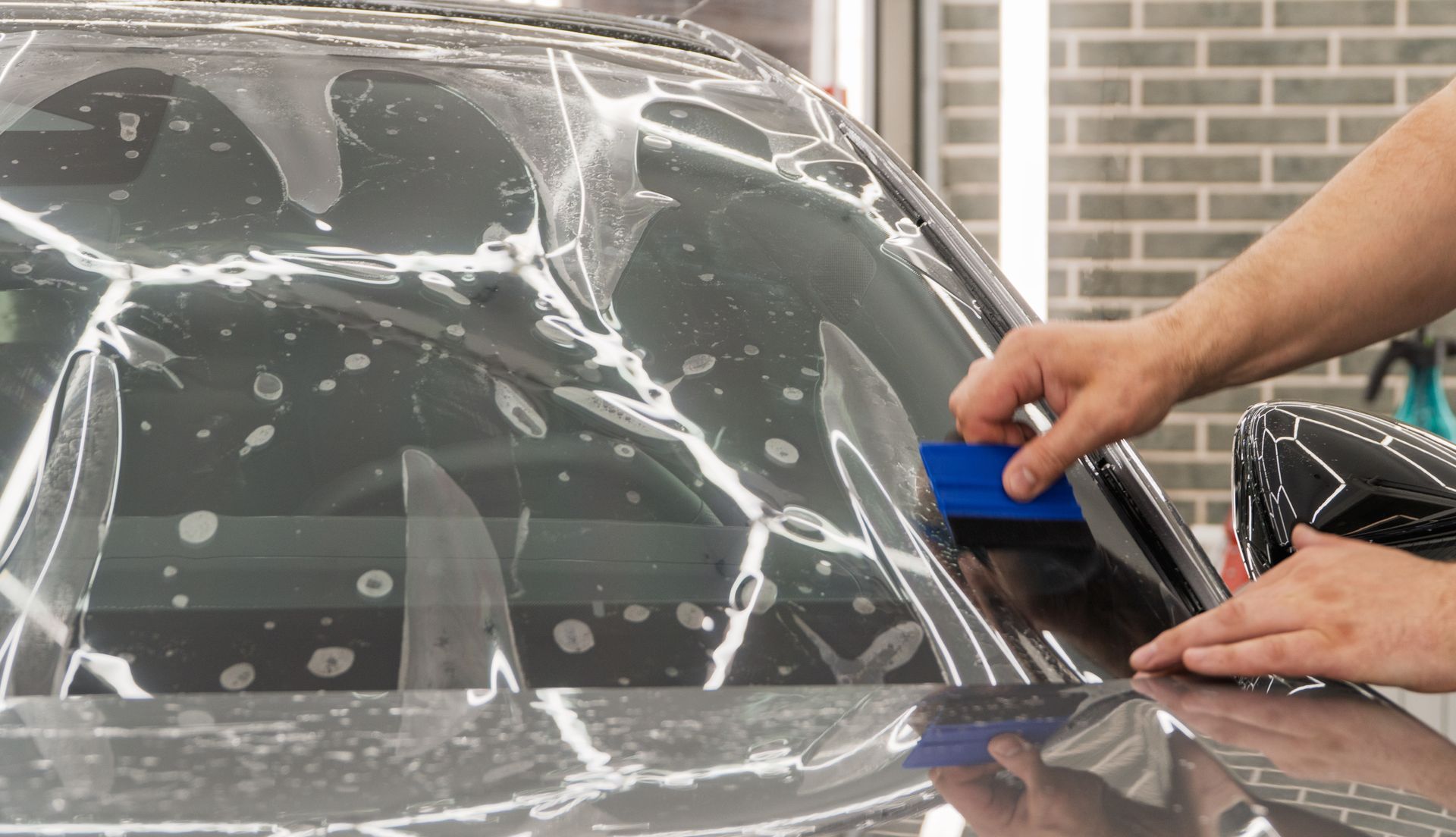
A chip in your windshield used to mean a quick, inexpensive repair. Today, that same chip can trigger a process that costs thousands of dollars, delays your vehicle for recalibration, and in some cases draws the attention of your insurance company. Windshield protection film exists to stop that from happening. South Jersey Paint Protection installs a clear TPU film directly over your windshield to act as a sacrificial barrier between your glass and whatever the road sends your way.
Windshield protection film is a practical step for drivers who spend regular time on highways, commute through debris-prone areas, or simply want to keep their factory glass intact. Pricing is between $399 and $499.
THE COST OF REPLACING YOUR WINDSHIELD
Today's vehicles use advanced glass with sensors and camera systems-replacements are expensive.

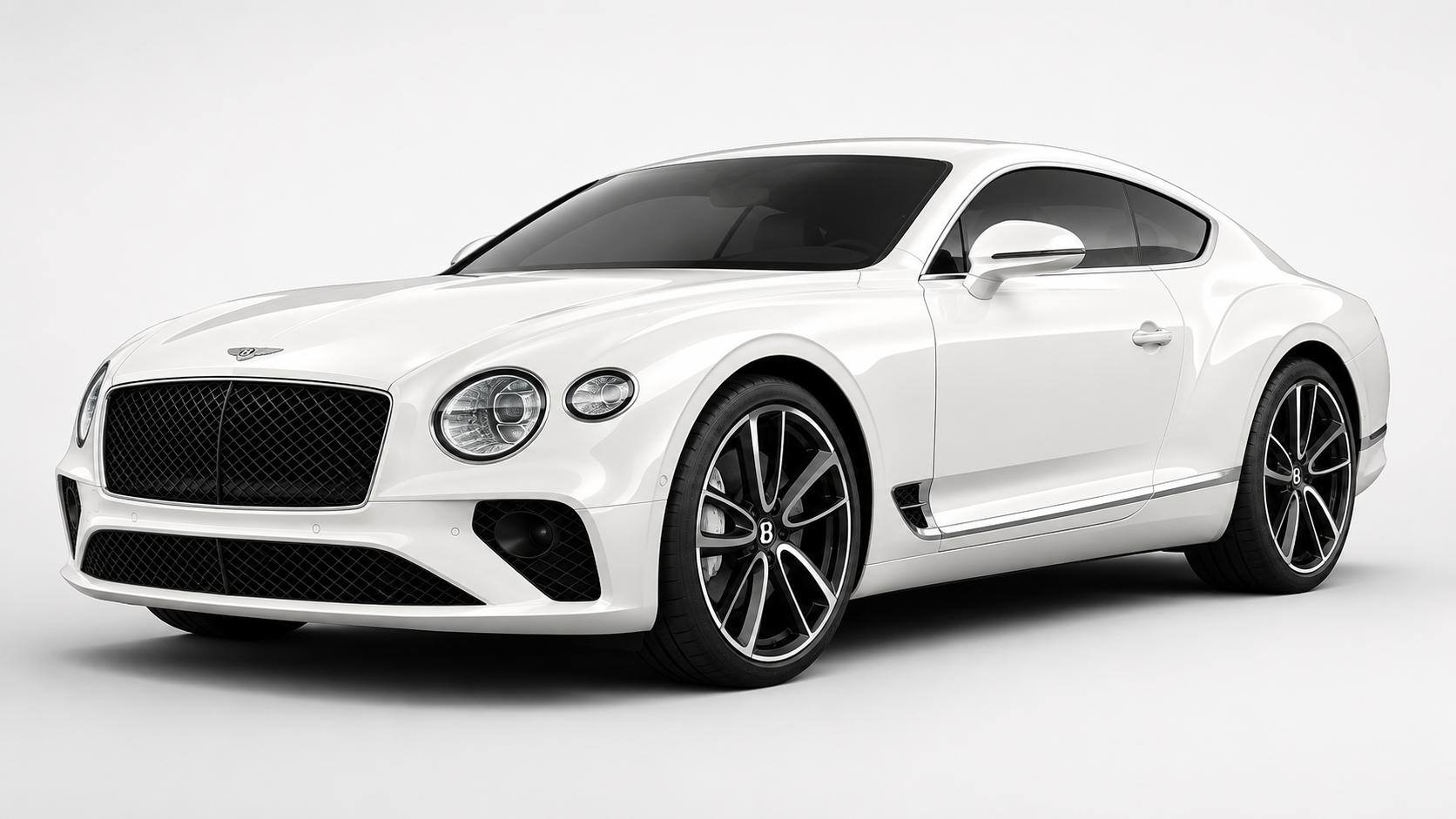

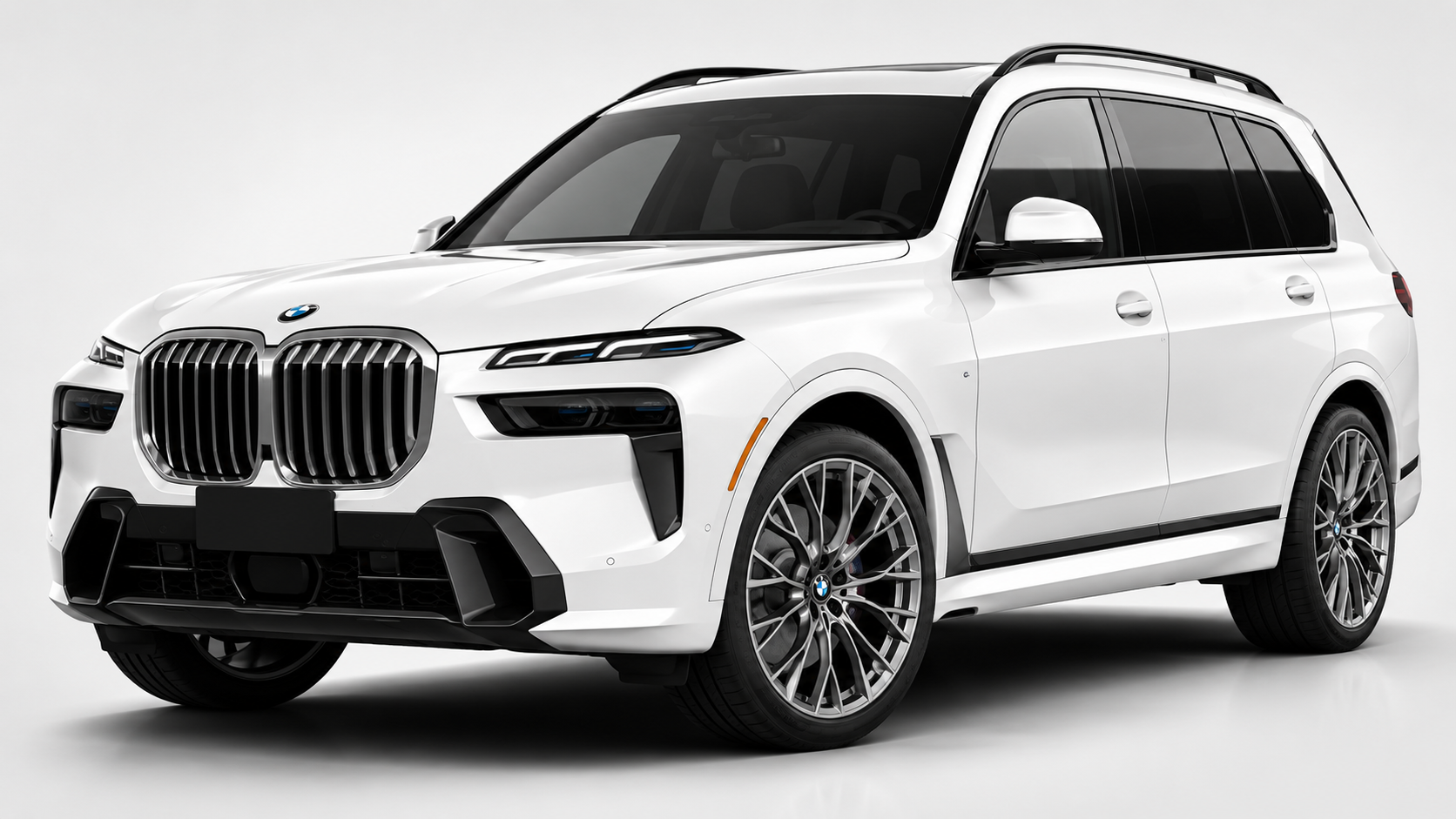

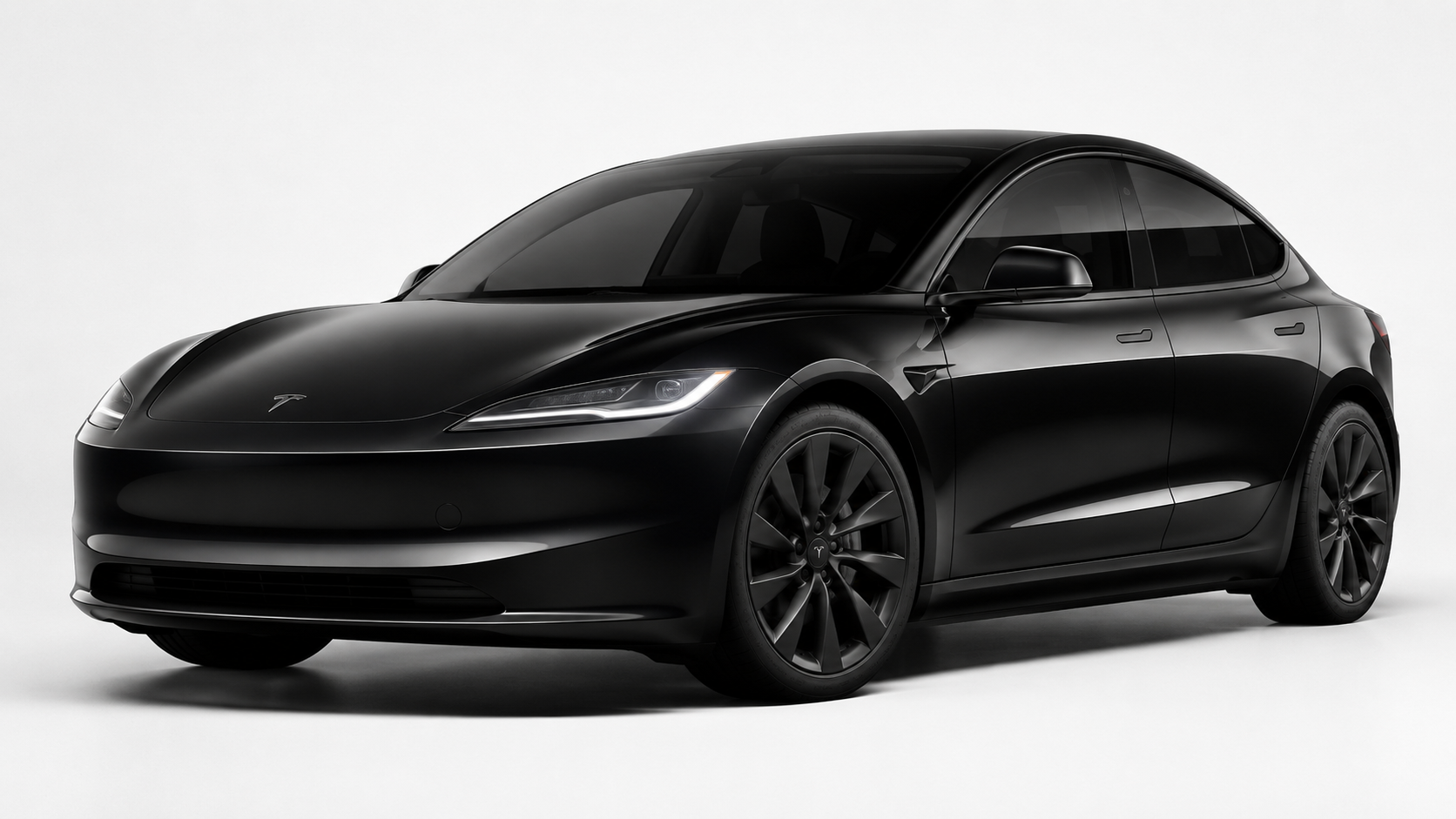


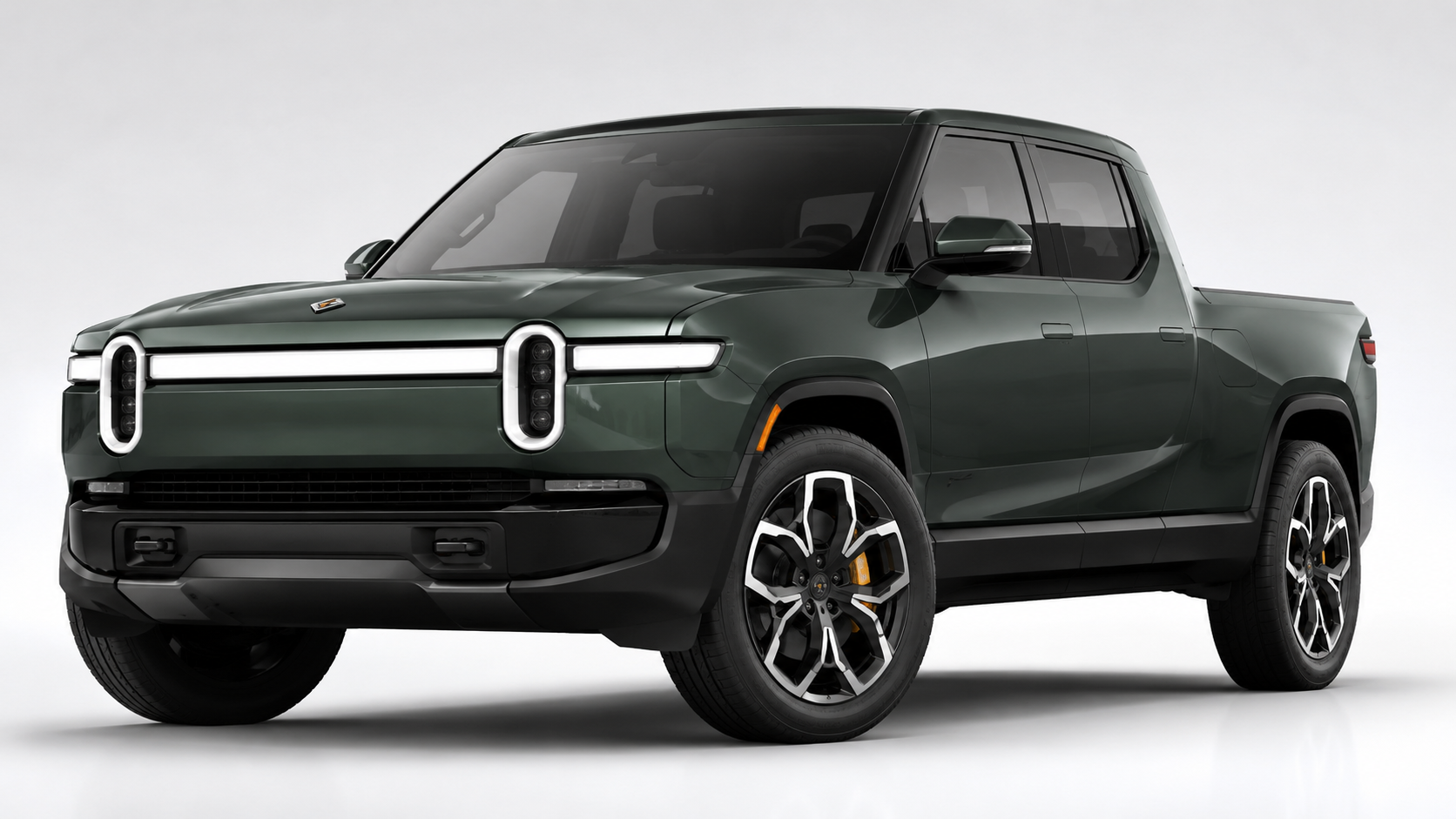

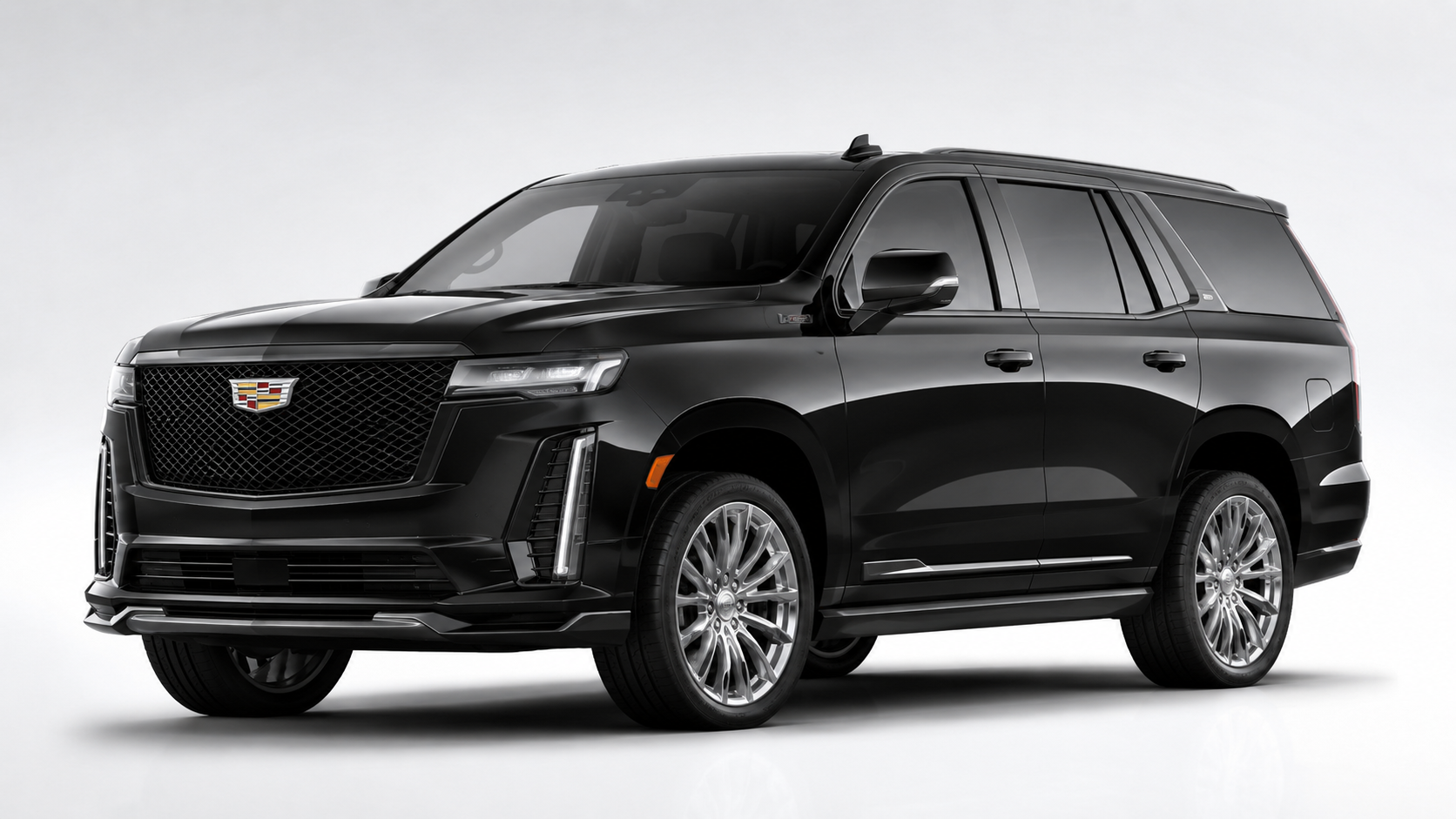
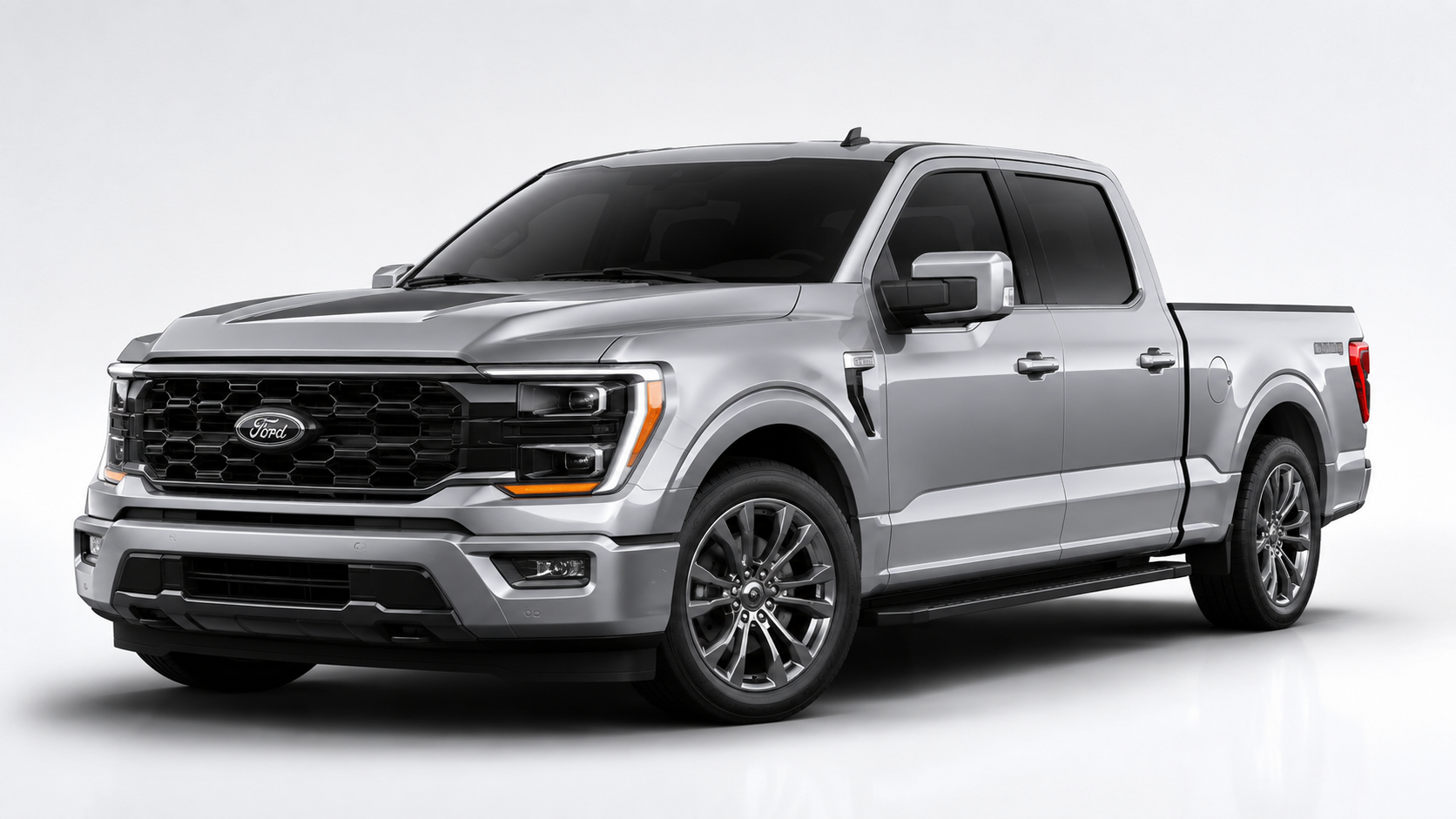
$ Modern windshields are costly. Protect yours before damage happens.
THE COST OF PROTECTION
Windshield Protection Film blocks chips, cracks, and damage-saving you thousands.
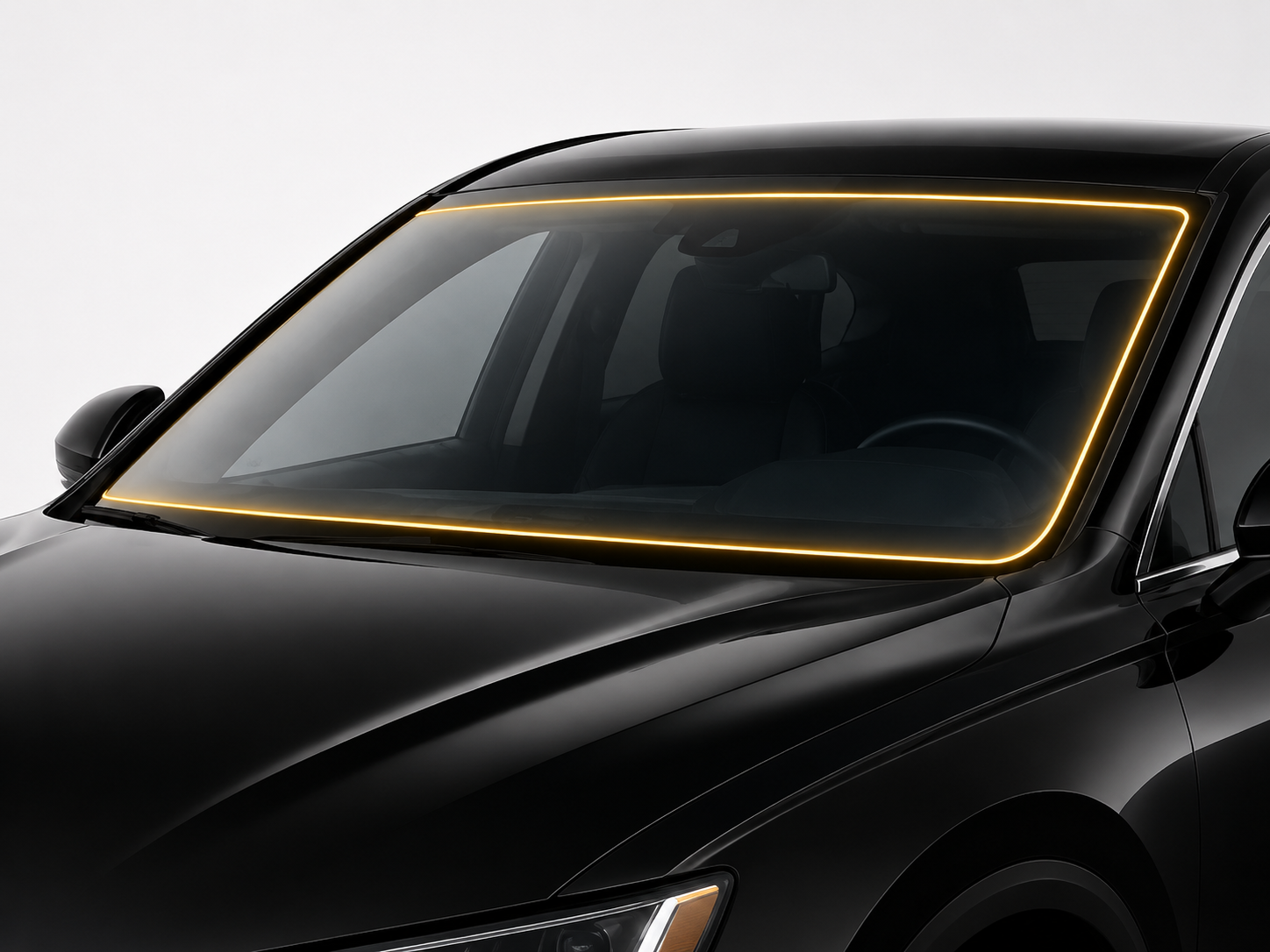
WINDSHIELD PROTECTION FILM
- $399 -
Our Windshield Protection Film Package
Windshield Protection Film
Prices start at:
$399 - $499
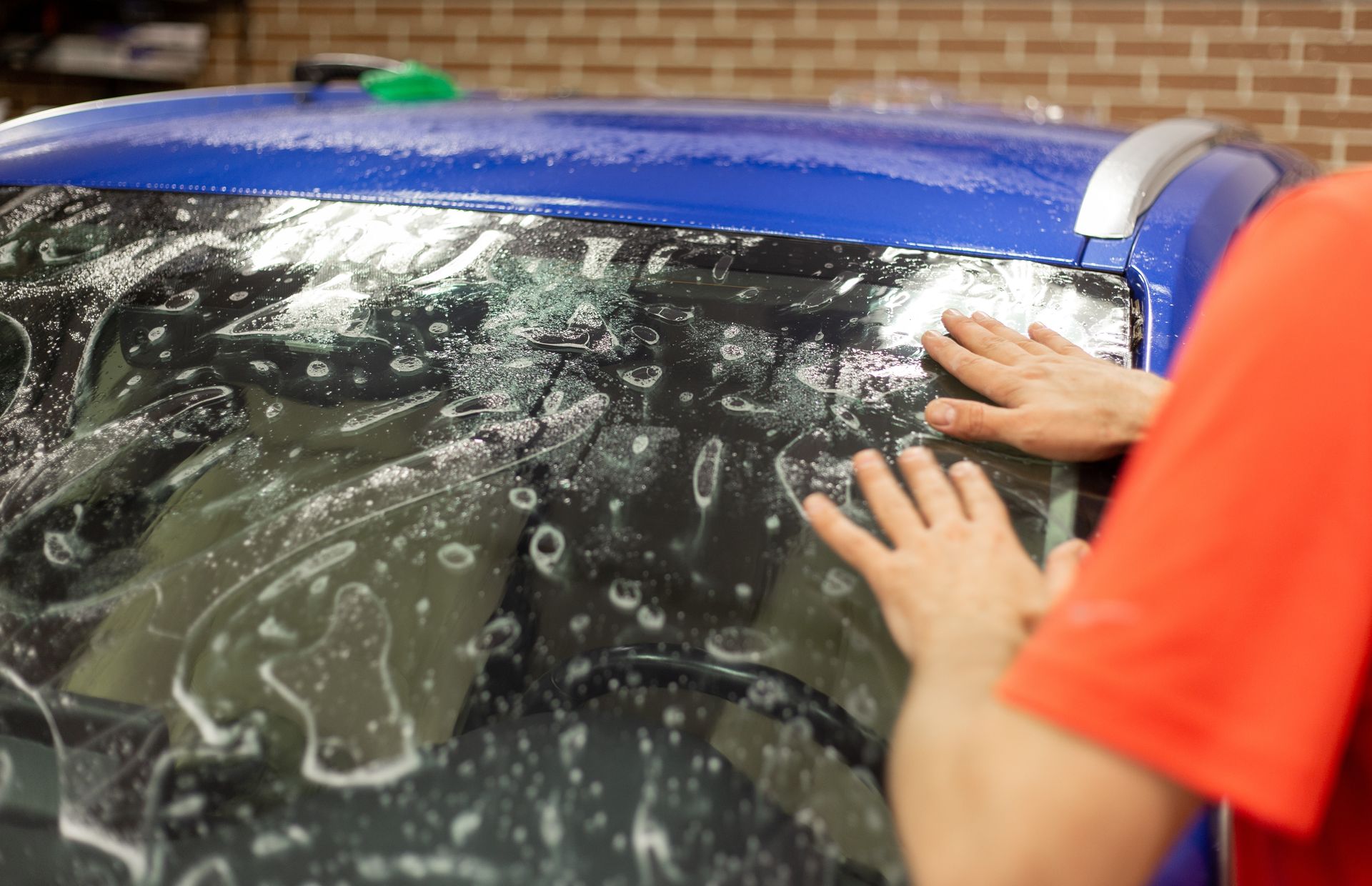
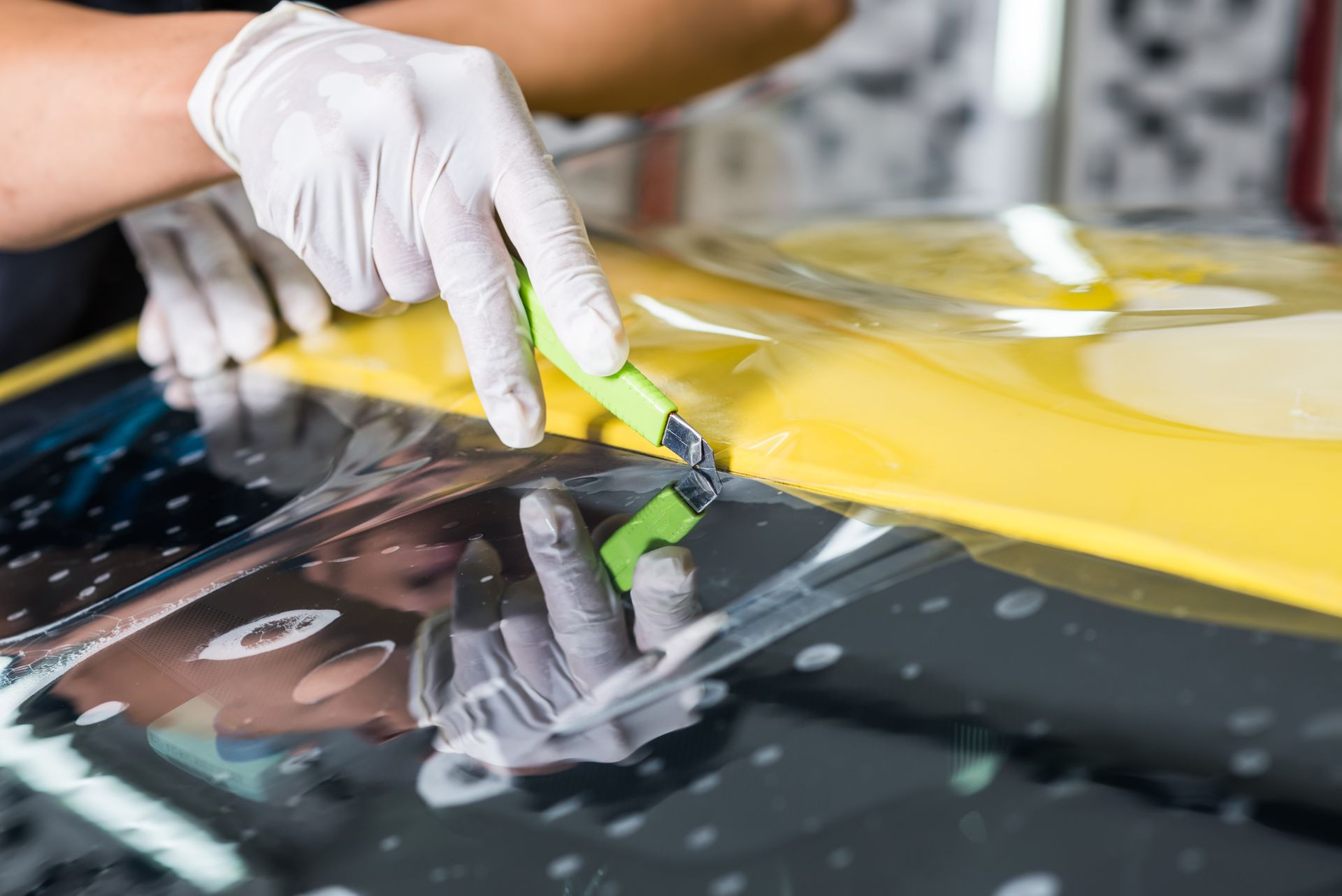
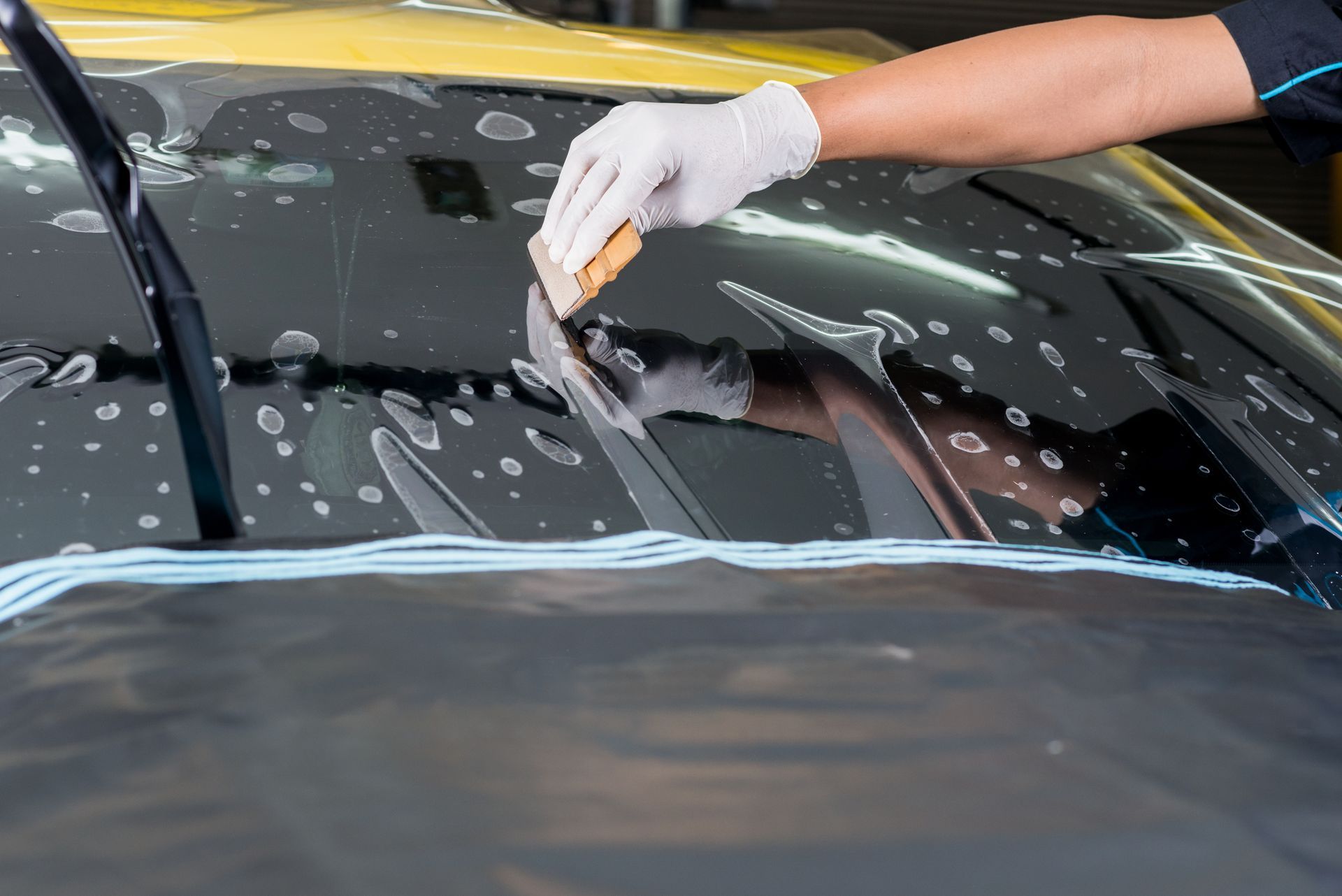
South Jersey Paint Protection installs a clear, optically transparent TPU film over your windshield glass. The film creates a sacrificial barrier that absorbs impact from road debris before it reaches the glass and helps hold the windshield together during higher-energy strikes, while maintaining a completely clear view for the driver.
Why Windshield Replacement Costs More Than You Think
Modern windshields are not just glass. They contain cameras, sensors, heating elements, lane assist systems, and, on newer vehicles, components tied to ADAS calibration. When one of these windshields needs to be replaced, the shop is not simply swapping a piece of glass. They are recalibrating an entire sensor array and ensuring that safety systems function correctly after the new installation.
That complexity drives costs that many drivers do not see coming. Replacement bills that once landed under a few hundred dollars can now reach into the thousands, depending on the vehicle. Insurance covers it the first time and sometimes the second, but repeated claims create a paper trail that some carriers take notice of.
Windshield protection film is not a guarantee against all damage, but it is a meaningful barrier that can be the difference between a chip that stops at the film and a crack that spreads through the glass.
What Windshield Protection Film Actually Does
Rock chip prevention is the most visible benefit of windshield protection film, but the film does more than stop chips. Here are three things worth understanding before you decide whether it is right for your vehicle.
The Film Takes the Hit, Not Your Glass
When road debris strikes a protected windshield, it makes contact with the film first. The TPU film absorbs the impact energy before it reaches the glass surface. If the strike is severe enough to damage the film, the film is what gets replaced, not the windshield.
Glass Retention on Impact
At highway speeds, even lightweight debris can become a serious projectile. In serious impact situations, the film helps retain broken glass rather than letting it spread into the cabin. That retention layer adds a meaningful margin of safety that an unprotected windshield simply does not have.
Optical Clarity and Low Maintenance
When professionally installed, windshield protection film has no noticeable effect on sightlines. The film is optically clear and free of distortion. It also carries a hydrophobic surface treatment that improves water beading and helps maintain visibility in rain, reducing the maintenance effort needed to keep the glass performing well.
Common Myths About Windshield Protection Film
There are a few misconceptions about windshield protection film that are worth addressing before you make a decision.
Myth: It Will Affect My View
A professionally installed windshield protection film is optically clear and produces no noticeable distortion for the driver. The film is applied by trained installers who work to eliminate any imperfections during the installation process.
Myth: It Interferes With Sensors
Windshield film installations are trimmed to work around the cameras, heating elements, and ADAS sensors built into your specific vehicle. Our team assesses each car before installation to ensure no driver assistance systems are affected.
Myth: It Is Only Worth It for Track Cars
Highway debris does not discriminate. Daily commuters, weekend drivers, and anyone spending regular time on the road faces the same rock chip risk. Windshield film is a practical option for any vehicle that spends time on roads where debris is a factor.
Myth: Once It Is On, It Cannot Come Off
Windshield protection film is designed to be removable. A trained installer can take it off without damaging the glass underneath. If the film has absorbed significant damage and needs to be replaced, the process is straightforward and does not compromise the windshield.
Windshield Film as Part of a Larger PPF Investment
For clients who already have paint protection film on their vehicle's body panels, windshield film is a natural next step. Paint protection film covers the areas most likely to take impact from road debris, and the windshield faces the same threats at the same speeds. Adding windshield film rounds out the coverage and ensures that the entire front-facing surface of the vehicle has a layer of defense working for it.
Many clients at South Jersey Paint Protection combine windshield film with front-end PPF coverage or a full body installation. The two services use compatible materials and can be installed during the same appointment. If you are already planning a PPF installation on your painted panels, ask our team about including windshield coverage at the same time.
